


Hearing a medical term like gastroshiza for the first time can feel confusing and even frightening—especially when it’s connected to a newborn baby. Many parents only come across this word during pregnancy scans or right after birth, and suddenly they’re searching for answers late at night, trying to understand what it means for their child.
If that’s you, take a deep breath. You’re not alone, and knowledge truly helps reduce fear. In this article, I’ll walk you through gastroshiza in clear, simple language—what it is, why it happens, how it’s treated, and what life can look like after diagnosis. Think of this as a calm, honest conversation rather than a medical lecture.
What Is Gastroshiza?
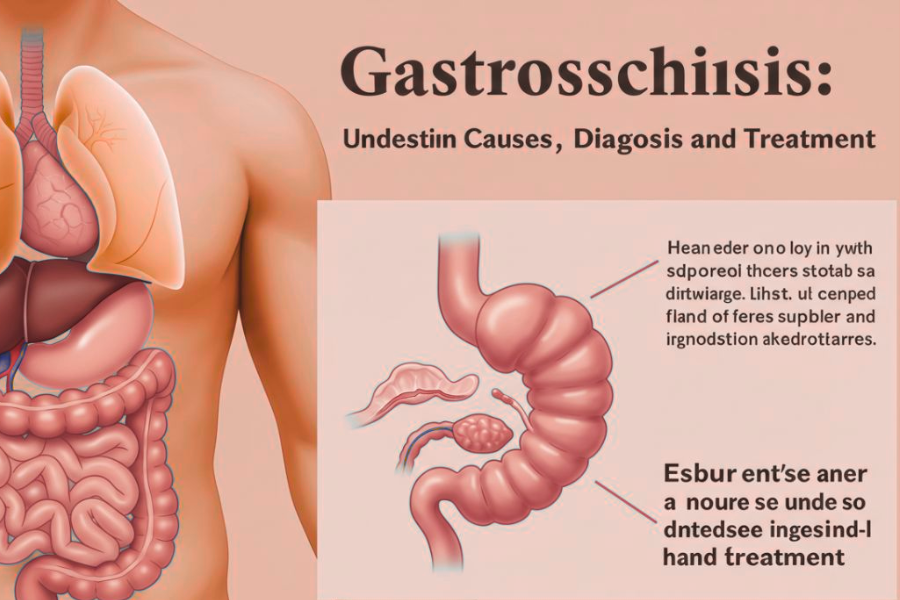
Gastroshiza is a congenital condition, meaning a baby is born with it. In simple terms, it happens when there is a small opening in the baby’s abdominal wall. Because of this opening, the intestines—and sometimes other organs—develop outside the body instead of safely inside the belly.
This opening usually appears just to the right of the belly button. Unlike some other abdominal conditions, there is no protective sac covering the exposed organs. That’s why doctors take gastroshiza very seriously and act quickly after birth.
Although gastroshiza looks alarming, it’s important to know that it is treatable. With modern medical care, many babies recover well and grow up to live normal, active lives.
Why Gastroshiza Looks So Scary at Birth
One of the hardest parts for parents is the shock of seeing their newborn with exposed intestines. It’s not something anyone expects or prepares for emotionally. Even parents who knew about the condition during pregnancy often find the moment overwhelming.
Doctors and nurses are trained for this situation. They immediately protect the exposed organs, prevent infection, and prepare for surgery. While the appearance can be distressing, it doesn’t mean the situation is hopeless. In fact, early treatment often leads to very positive outcomes.
Symptoms of Gastroshiza in Newborns
Gastroshiza is usually obvious at birth, so there’s no guessing game involved. The most noticeable sign is the baby’s intestines visible outside the body through a small opening near the belly button.
Beyond that, some babies with gastroshiza may experience feeding difficulties in the early days. Because the intestines have been exposed to amniotic fluid during pregnancy, they can be swollen or irritated. This may slow digestion at first.
In some cases, babies may show signs of dehydration, infection, or bowel problems. That’s why newborns with gastroshiza are cared for in specialized neonatal units where they can be closely monitored around the clock.
How Gastroshiza Is Diagnosed
In many pregnancies, gastroshiza is diagnosed before birth during a routine ultrasound. Doctors can see the intestines outside the abdominal wall and plan ahead for delivery and treatment. This early diagnosis is actually helpful because it allows parents and medical teams to prepare emotionally and medically.
If gastroshiza isn’t detected during pregnancy, it’s identified immediately after birth. The diagnosis doesn’t require complicated tests at that stage because the condition is visible. Additional imaging may be done later to understand how the intestines are functioning.
What Causes Gastroshiza?
This is one of the most common questions parents ask—and also one of the hardest to answer clearly.
The exact cause of gastroshiza is still not fully understood. What doctors do know is that it develops very early in pregnancy, when the baby’s abdominal wall is forming. For some reason, that wall doesn’t close completely.
Certain factors may increase the risk. Younger mothers, especially those under 20, seem to have a slightly higher chance of having a baby with gastroshiza. Smoking, alcohol use, poor nutrition, and limited prenatal care have also been linked in some studies.
It’s important to say this gently but clearly: most parents did nothing wrong. Gastroshiza is not caused by stress, exercise, or something a mother accidentally did during pregnancy. Sometimes, it simply happens without a clear reason.
Treatment Options for Gastroshiza
Treatment for gastroshiza always involves surgery, but the approach can differ depending on the severity of the condition and the baby’s overall health.
In mild cases, surgeons may be able to place the intestines back into the abdomen and close the opening in one operation. This often happens within the first day or two of life.
In more complex cases, where the intestines are swollen or there isn’t enough space inside the abdomen, doctors use a staged approach. The exposed organs are placed in a sterile pouch called a silo, which hangs above the baby. Over several days, the intestines are gently moved back inside before the final closure.
This process may sound slow, but it’s done carefully to avoid complications and allow the baby’s body to adjust.
Life After Surgery: What Recovery Looks Like
Recovery after gastroshiza surgery takes time and patience. Babies usually stay in the neonatal intensive care unit (NICU) for several weeks. During this time, they receive nutrition through an IV while their intestines heal and learn to function normally.
Feeding is introduced slowly, and it’s common for babies to struggle a bit at first. This can be frustrating for parents, but it’s a normal part of recovery.
Over time, most babies improve steadily. Doctors monitor bowel movements, weight gain, and overall development. With proper care, many children catch up to their peers and show no long-term digestive issues.
Possible Complications to Be Aware Of
While outcomes are often positive, gastroshiza can sometimes lead to complications. These may include intestinal blockage, infections, or difficulty absorbing nutrients. In rare cases, parts of the intestine may be damaged and require additional treatment.
The good news is that ongoing follow-up care helps catch these issues early. Pediatric surgeons and gastroenterologists work closely with families to ensure the child stays on track.
Can Gastroshiza Be Prevented?
At the moment, there’s no guaranteed way to prevent gastroshiza. However, good prenatal care plays an important role in overall pregnancy health. Regular checkups, proper nutrition, and avoiding smoking or harmful substances can reduce certain risks.
If a family has a history of congenital conditions, genetic counseling may provide additional guidance and reassurance.
Emotional Support for Parents Matters Too
Medical care is only one part of the journey. The emotional impact of gastroshiza on parents is real and valid. Many parents feel guilt, fear, or exhaustion—especially during long hospital stays.
Connecting with other families who have been through similar experiences can be incredibly comforting. Support groups, both online and in hospitals, offer a safe space to share stories, ask questions, and feel understood.
Sometimes, just hearing “we went through this too, and our child is doing great now” can make all the difference.
Long-Term Outlook for Children with Gastroshiza
One of the most encouraging things about gastroshiza is the long-term outlook. Thanks to medical advancements, survival rates are high, and many children grow up healthy and active.
Some may need follow-up care into childhood, but others require very little ongoing treatment. Every child’s journey is unique, and progress often comes step by step.
Parents often say that what once felt like an overwhelming diagnosis becomes just one chapter in their child’s story—not the whole book.
Final Thoughts on Gastroshiza
Gastroshiza may sound intimidating, and seeing it for the first time can be emotionally overwhelming. But understanding the condition helps replace fear with clarity. With early diagnosis, skilled medical care, and strong emotional support, many babies with gastroshiza go on to thrive.
If you’re a parent facing this diagnosis right now, know that it’s okay to feel scared and uncertain. Ask questions, lean on your medical team, and give yourself grace. Medicine has come a long way, and there is real hope.
Knowledge empowers families—and when it comes to gastroshiza, informed parents are one of a child’s strongest supports.
Read More: Supplement Management TheSpoonAthletic: A Real-World Guide to Smarter, Safer Supplement Use