


Meta description: The fabric you choose shapes everything from comfort to durability. Here’s how fabric choice impacts furniture design—and how to get it right.
Picking a sofa or armchair often comes down to color or shape. But there’s one decision that shapes the entire piece—how it looks, how long it lasts, and how it feels to sit in: the fabric.
Fabric is far more than a finishing touch. It’s a structural and aesthetic decision that influences everything from the silhouette of a cushion to how well a piece survives a household full of kids and pets. Get it right, and your furniture looks and feels great for years. Get it wrong, and even the most beautifully crafted frame will disappoint.
Here are six key ways fabric choice impacts furniture design.
1. It Sets the Visual Tone
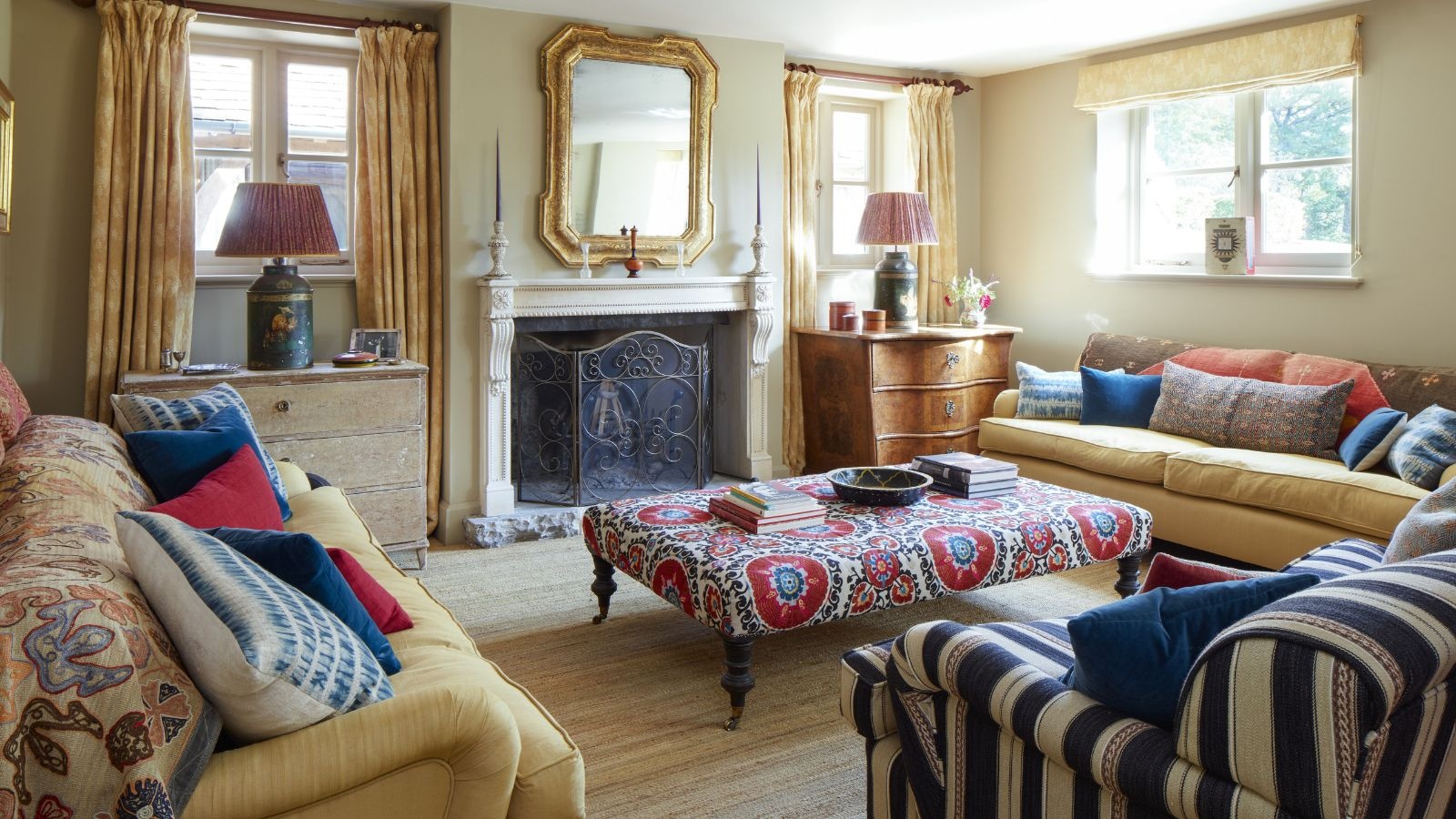
Fabric is one of the first things the eye is drawn to. The texture, sheen, and pattern of a material immediately communicates a mood—warm and casual, sleek and modern, or rich and traditional.
A tightly woven linen in a neutral tone creates a relaxed, Scandinavian feel. A deep velvet signals luxury and warmth. Patterned fabrics, like florals or geometric prints, add personality and can anchor an entire room’s aesthetic. The fabric doesn’t just dress the furniture—it defines it.
This is why designers often choose fabric before finalizing other design elements. The material leads the conversation.
2. It Shapes How Cushions and Upholstery Hold Their Form
Fabric weight and structure have a direct impact on how upholstered elements hold their shape over time. Heavier, denser fabrics tend to maintain crisp edges and clean lines, making them a popular choice for tailored designs with tight backs and boxed cushions.
Lighter, stretchier materials can create a softer, more relaxed silhouette—but may also lead to sagging or wrinkling sooner. This is particularly relevant for high-use pieces like sofas, where cushion resilience matters both aesthetically and functionally.
3. It Determines Durability and Longevity
No matter how much you love a fabric aesthetically, it has to stand up to real-world use. This is where the concept of “rub count” comes in—a standard test that measures how many times a fabric can be rubbed before showing signs of wear.
For everyday furniture, look for fabrics rated at 15,000 rubs or more. Heavy-duty or commercial use calls for 30,000 and above. Fabrics like faux suede fabric score well here, offering both durability and a soft, approachable texture that suits family living spaces.
Material composition matters too. Synthetic fibers like polyester and nylon typically outperform natural fibers in high-traffic conditions, while natural materials like cotton and linen offer breathability but may require more care.
4. It Influences Comfort and Feel
A piece of furniture can look perfect and still feel wrong. Comfort is deeply tied to the tactile quality of the fabric—how it feels against skin, whether it retains heat, and how it responds to prolonged contact.
Wool and velvet feel warm and cozy, ideal for cooler climates or evening lounging. Performance fabrics and tightly woven synthetics tend to feel cooler and are more breathable in warmer settings. Scratchy or stiff materials, regardless of how refined they look, will discourage use over time.
When evaluating comfort, it helps to consider who will be using the furniture most—and in what conditions.
5. It Affects Maintenance Requirements
Every fabric comes with its own care profile, and this has real implications for furniture design and lifestyle compatibility. Some materials are treated for stain resistance during manufacturing. Others require professional cleaning or careful spot treatment.
Microfiber and treated synthetics are among the easiest to maintain, making them a smart pick for dining chairs or upholstered ottomans. Delicate fabrics like silk or untreated linen can look stunning, but demand more careful handling.
Designers working on family homes or rental properties often prioritize performance fabrics specifically because they reduce long-term maintenance costs and keep the furniture looking newer for longer.
6. It Impacts the Structural Construction of the Piece
Fabric choice can actually influence how furniture is built. Heavier fabrics require more robust support, while certain patterns—especially large repeats or directional prints—demand more careful cutting and alignment during upholstery, which adds time and cost to the process.
Curved or sculpted furniture designs also place specific demands on fabric stretch and flexibility. A rigid woven material might crack or pull at stress points, while a fabric with some give will conform more naturally to complex shapes.
This is why skilled upholsterers and furniture designers collaborate closely on material selection—the fabric isn’t chosen after the design is finalized; it’s part of the design process from the beginning.
Choose Fabric With Intention
Fabric is one of the most consequential decisions in furniture design. It shapes aesthetics, comfort, durability, and even how the piece is constructed. The best results come from treating fabric selection as a core design decision—not an afterthought.
Before committing to a piece of furniture, examine the fabric closely. Ask about its rub count, maintenance requirements, and how it performs over time. The right choice will serve you well long after the initial excitement of a new purchase has faded.