


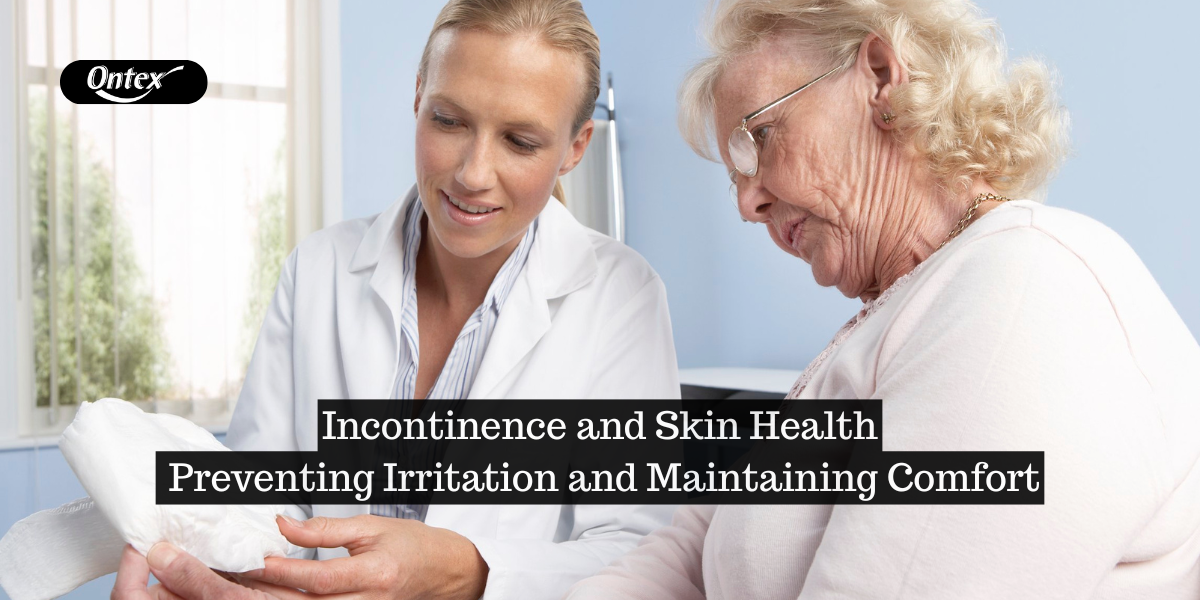
Do you feel a sharp sting during a pad change or wake up multiple times from burning sensations? That’s skin irritation due to incontinence. You experience them when urine or faeces damages your protective barrier and causes burning as well as painful rashes.
But you can prevent these irritations easily when you understand what causes them and how to protect yourself. At www.ontexhealthcare.com.au, we specialise in helping people maintain healthy skin while managing incontinence.
In this article, we’ll explain what triggers skin damage, how incontinence affects skin health, and how to spot early warning signs. You’ll also learn why irritation affects your quality of life and practical steps to keep your skin protected and comfortable.
Read on to learn how you can take control of your skin health today.
What Causes Skin Irritation From Incontinence?
Skin irritation from incontinence develops when moisture, pH changes, digestive enzymes, and friction work together to break down your natural barrier. Particularly, if your skin stays wet for hours (a condition it isn’t designed to handle), it starts to deteriorate quickly.
Let’s get into more detail about the causes.
Moisture Breakdown
The thing is, wet skin tears much more easily than dry skin because constant wetness softens the protective outer layer until it weakens. It’s similar to leaving your hands in the dishwasher too long: they get wrinkly and fragile.
That’s exactly what happens when moisture gets trapped between your skin and a pad. The warm and damp space gives bacteria an easy place to grow, and since your skin never gets a chance to dry out, it can’t repair itself. Even small irritations can snowball quickly.
pH Level Changes
You can choose the right products if you understand how pH changes. Your skin’s normal pH sits around 5.5, which blocks bacteria from multiplying. This slightly acidic environment acts like your body’s natural shield.
But urine and faeces are alkaline, so they have a higher pH. When they make contact with your skin, they gradually turn your naturally acidic areas alkaline. Unfortunately, harmful microorganisms love these alkaline conditions and multiply on exposed surfaces.
Urine Versus Faeces
Many people don’t know that faecal incontinence causes more damage than urinary incontinence. This is because faeces contains the same digestive enzymes your body uses to break down food, and these enzymes don’t stop working just because they’re on your skin instead of in your stomach.
According to DermNet on their page “Incontinence-Associated Dermatitis”, about one-third of people with faecal incontinence develop skin irritation linked to moisture and stool contact.
Now, if you think about urine, it usually hurts the skin more slowly, although highly concentrated urine can sting a lot more. Even so, bowel leaks always cause bigger trouble.
Friction Damage
Ever notice how your skin gets sore after you wear tight clothes all day? It happens because the fabric keeps rubbing your skin. Pads can do the same thing, and the rubbing slowly wears down your skin’s protective layer.
Once the area gets damp, your skin softens and tears more easily, so even small movements can feel rough or uncomfortable. This combination of movement and wetness speeds everything up, which explains those raw patches right under your pad.
Pro tip: Wear breathable and loose fabrics when you can. Soft cotton underwear reduces heat buildup and lowers friction.
What Are the Warning Signs of Incontinence Skin Damage?
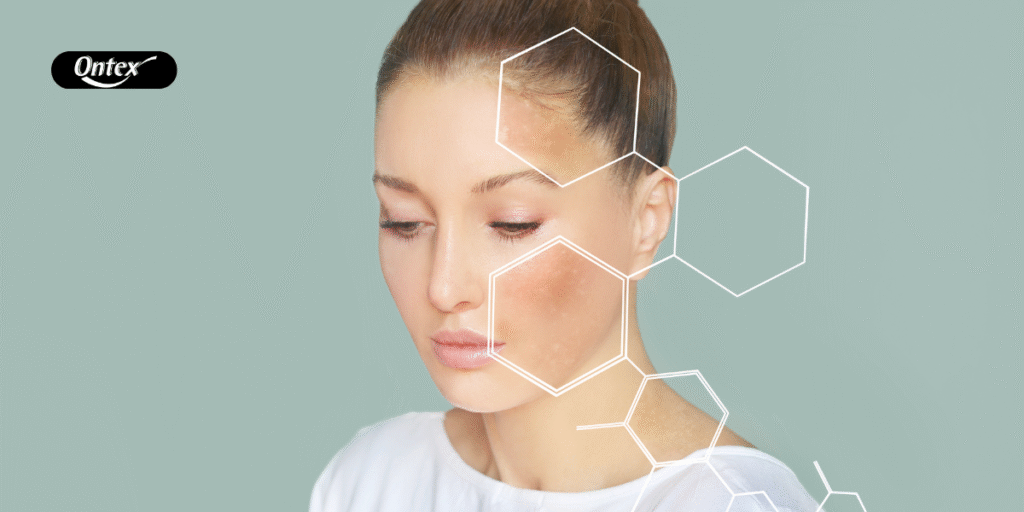
You can spot early warning signs by watching for changes in your skin’s colour, comfort, and texture. These changes often appear as redness, swelling, burning, itching, or tender spots. When you notice these signs early, you guard your skin and stop infections before they start.
How about we go through these signs together?
Redness and Swelling
Redness is typically the first visible sign that something’s wrong. You’ll see pink or red patches where your pad sits against your body. Also, these areas feel warmer than the surrounding skin and might look a bit puffy.
Before you know it, the redness slides beyond the pad zone. It shows up on skin that should stay dry, and it usually surprises you the first time you notice it (it’s tough to see your skin like this). However, a proper care routine can reduce redness and prevent further irritation.
Burning and Itching
If you feel a sharp sting when you change your pad, that’s your irritated skin calling for help. When urine touches skin that’s already irritated, it can burn a lot. And oddly enough, the itching often feels worse right after you put on a fresh pad, even though you’d expect it to feel better.
At night, the burning wakes you up every time you roll over or shift position.
Skin Breakdown
Skin breakdown is the most severe stage when you need immediate medical treatment. The signs of these breakdowns include small raw patches where the top layer of skin has worn off, and the area looks shiny and wet. Even a light touch feels sore, so it’s hard to ignore.
Don’t ignore these early signs because little irritations can turn into open sores. Eventually, they make it really easy for infections to sneak in.
How Does Skin Irritation Affect Your Daily Life?
How many nights has burning skin kept you awake this month? Probably more than you’d like to admit. This condition often adds personal concerns on top of the physical discomfort, because it can interrupt your sleep, drain your energy, change your routines, and even influence your relationships.
Here’s how the skin condition affects your life:
- Sleep Problems: The burning wakes you again and again, and your body never gets the rest it needs to heal. Not only that, you keep trying to get comfortable, but sadly, every small move stings.
- Morning Tiredness: After a rough night full of pain, you wake up feeling worn out. That’s how the day feels… hard before it even starts.
- Avoiding Social Plans: You worry the pain will worsen, so you start staying home more often. Then you begin skipping lunches, family events, or anything that involves sitting for a long time.
- Relationship Strain: Physical touch becomes uncomfortable, even when it is gentle. This situation makes it harder to get closer and can leave you feeling lonely or unsure of how to explain what is going on.
And through all of this, the hardest part is feeling alone. We recommend giving yourself a little extra care and kindness to help you feel more supported. You’ve got this!
How Do You Protect Your Skin From Incontinence Irritation?
To protect your skin, you must build habits that keep moisture under control, support your skin’s natural defences, and limit rubbing throughout the day. A good routine helps you stop irritation before it becomes painful.
We’ll now explain how you can take care of your skin every day.
Absorbent Products
Choosing the right absorbency level is your first line of defence, and pads specifically designed for incontinence perform far better than general hygiene products. Specifically, look for designs that wick moisture away from direct contact and suit a wide range of skin types.
Keep in mind that higher absorbency ratings don’t always mean better protection. Sometimes, changing pads more frequently helps you control the quantity of moisture sitting against the skin.
pH-Balanced Cleansers
pH-balanced cleansers help your skin stay healthy because they support your body’s natural balance and gently remove dead skin cells that can trap moisture. Since regular soap takes away the acidic layer your skin needs and causes dryness, a balanced formula gives your skin a safer environment after each bathroom visit.
Once you finish cleaning, you can guard your skin even more when you gently wipe the area rather than scrubbing. For instance, a soft pat with a towel keeps the area dry without extra rubbing (it also lowers inflammation risk).
Moisturising Creams
You need to moisturise your skin to complete the second step of protection. These products repair what frequent washing strips away. Simply apply a thin layer of moisturiser after cleaning to hydrate and soothe skin gently.
Here’s a tip: choose alcohol-free options to avoid further dryness or stinging on sensitive areas.
Barrier Protection
A barrier cream is an important part of skin care because it shields the area from excessive moisture. Take zinc oxide, for example. It offers the strongest protection if you deal with urine often.
These creams create films that protect the skin for hours and often provide anti-irritant properties to keep discomfort under control.
Keep Your Skin Healthy While Managing Incontinence
It’s pretty simple to maintain healthy skin when you know the triggers and warning signs. All you have to do is understand them properly. This way, you can focus on prevention and take action before minor problems become painful infections.
In this guide, we’ve covered how moisture, pH changes, and friction damage your protective barrier. We’ve also discussed the early warning signs to watch for, how skin irritation affects your daily comfort and confidence, and the steps to prevent these problems.
If you’re ready to find the right incontinence products to save your skin, visit our website today to browse our range of absorbent pads. Your comfort starts with the right protection.
Disclaimer: This blog provides general health and product information for educational purposes only. It is not intended to diagnose, treat, or replace advice from your healthcare professional. Always seek guidance from your GP, nurse, continence advisor, or pharmacist regarding your individual needs. If symptoms persist or you’re unsure about product use, consult a qualified healthcare provider.